

Wellspring University
Department of Microbiology
🔬 B.Sc. Microbiology at Wellspring University: Unlocking the World of the Unseen
Embark on a dynamic journey into the fascinating world of microorganisms—the unseen powerhouses that shape our health, environment, and industry.
Accreditation Status
Microbiology program at Wellspring University's Department of Biological Sciences is a fully NUC-accredited four-year degree designed to produce scientifically grounded and practically skilled professionals ready to tackle global challenges in health, food, and environmental sustainability.
💡 Program Highlights and Philosophy
Our curriculum is meticulously structured to provide a holistic blend of theoretical knowledge and cutting-edge laboratory skills. We aim to train a new generation of scientists who are not just knowledgeable, but also solution providers equipped with strong analytical and ethical principles.
Multidisciplinary Curriculum:
Gain expertise in diverse areas like Microbial Genetics, Molecular Biology, Clinical Microbiology, and Industrial/Food Microbiology.
Practical Skill Development
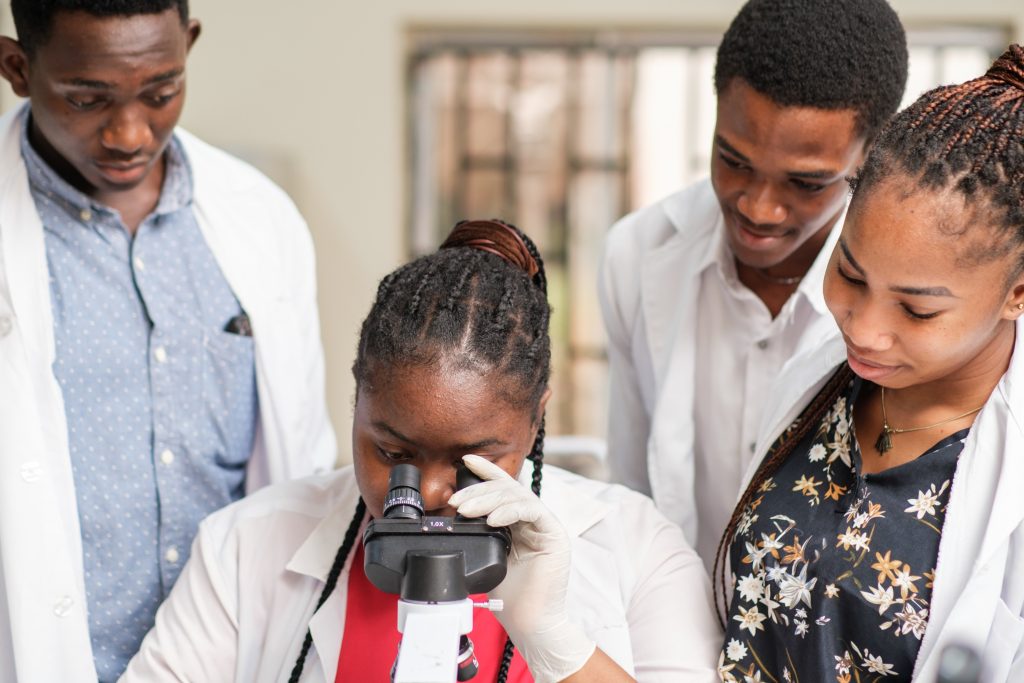
Strong emphasis is placed on hands-on laboratory training in techniques such as aseptic procedures, microbial culture, microscopy, and molecular diagnostics (e.g., PCR and gel electrophoresis).
Focus on Problem-Solving
The program encourages students to appreciate and address practical problems relevant to the Nigerian and African context, from infectious disease control to industrial fermentation.
Dedicated Faculty
Learn from distinguished scholars and industry experts committed to mentoring and guiding students throughout their academic journey.
📚 Key Areas of Study
The B.Sc. Microbiology program is comprehensive, covering core concepts essential for any successful microbiologist:
General Microbiology & Microbial Taxonomy
The foundational study of microbial cell structure, growth, diversity, and classification.
Immunology and Host-Microbe Interaction
Understanding the body’s defense mechanisms against microbes and the complex relationship between hosts and pathogens.
Medical and Clinical Microbiology
In-depth knowledge of infectious diseases, diagnostic techniques, and the critical issue of antimicrobial resistance.
Industrial and Food Microbiology
Exploring the use of microbes in biotechnology, fermentation processes, food preservation, and quality control in pharmaceutical and beverage industries.
Molecular Biology and Genetic Engineering
Focusing on microbial DNA/RNA, gene regulation, and modern techniques like CRISPR systems.
| Sector | Potential Job Roles |
| Healthcare & Diagnostics | Clinical Microbiologist, Medical Technologist, Biomedical Scientist, Epidemiologist, Public Health Officer |
| Industry & Biotechnology | Industrial Microbiologist, Quality Control Analyst, Food Safety Officer, Biotechnologist (Pharmaceuticals, Food & Beverage) |
| Research & Academia | Research Assistant, Academic Researcher, Scientific Laboratory Technician (with further study) |
| Environmental | Environmental Microbiologist, Water Quality Scientist, Waste Management Specialist |
UTME Candidates (4-Year Program)
📝 Admission Requirements
A minimum of five (5) credit passes in SSCE/NECO/GCE or equivalent, obtained at not more than two sittings.
The required subjects must include English Language, Mathematics, Biology, Chemistry, and Physics.
The required UTME subject combination is English Language, Biology, Chemistry, and either Physics or Mathematics.
Direct Entry Candidates (3-Year Program)
📝 Admission Requirements
Meet the O'Level requirements stated above
Hold at least two A-Level/Jupeb/IJMB passes in relevant science subjects (e.g., Biology and Chemistry) OR a relevant Diploma/National Diploma (ND) or a Higher Degree or Diploma from a recognized institution.
Departmental Head
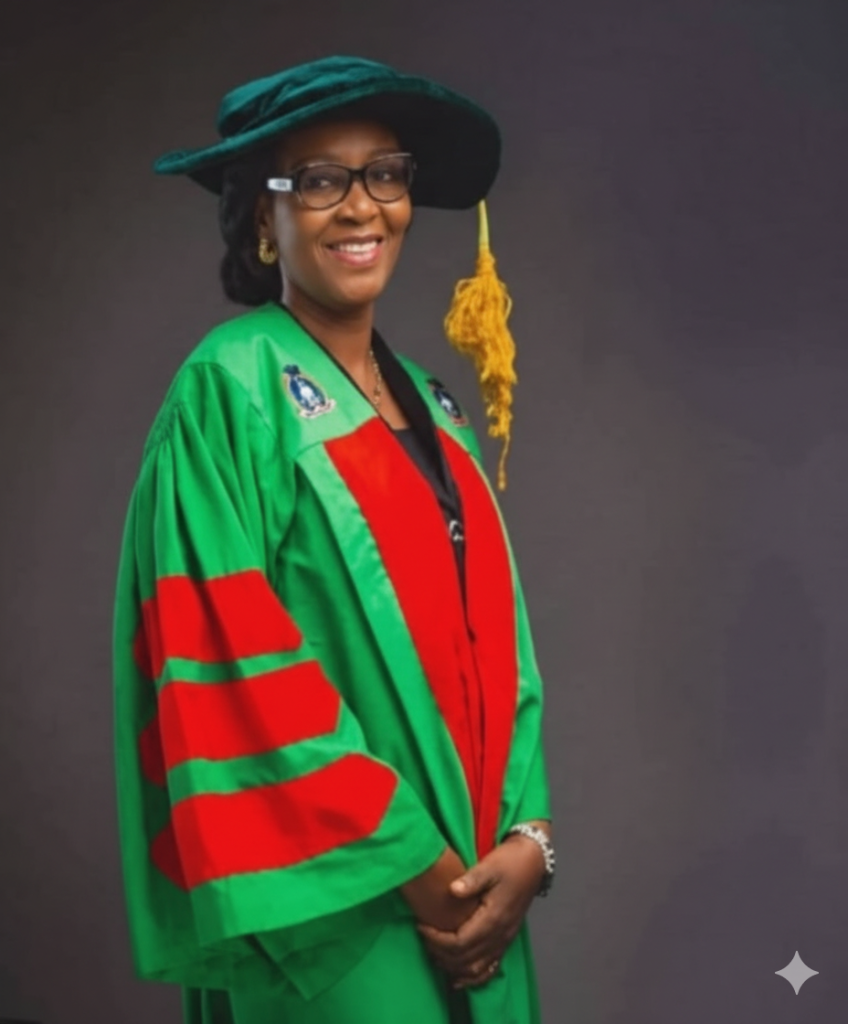
Dr. Henrietta OBUEH
Dr. Henrietta Obueh is a highly accomplished Senior Lecturer and academic administrator who currently serves as the Acting Head of Department for Biological Sciences and the Acting Director for the Centre for Leadership and Gender Studies at Wellspring University. Education & Expertise Dr. Obueh holds extensive educational qualifications across diverse fields: Ph.D. (2014): Food and Industrial Microbiology, University of Benin (UNIBEN). M.Sc. (2001): Environmental and Public Health Microbiology, University of Benin (UNIBEN). PGDE (2006): Postgraduate Diploma in Education, Ambrose Alli University, Ekpoma (AAU). B.Sc. Hons (1992): Microbiology (Second Class Upper Division), Ambrose Alli University, Ekpoma (AAU). Academic Career She commenced her academic career in 2001 at the College of Education, Ekiadolor, Benin, where she progressed through the ranks to attain the highest position of a Chief Lecturer in 2018. During her time there, she held significant administrative roles, including Head of Department for Biology and Director of the Environmental Education Unit. Dr. Obueh joined Wellspring University on March 1st, 2024, and contributes her wealth of experience in teaching, research, and administration to the institution. Research & Professional Affiliations Publications: Dr. Obueh is a prolific researcher with approximately fifty (50) scholarly articles published in reputable international and national journals. Professional Bodies: She is an active member of several prestigious professional organizations, including: Society for Applied Microbiology (SfAM/AMI) American Society for Microbiology (ASM International & ASM Global) Nigerian Society for Microbiology (NSM) Teachers Registration Council of Nigeria (TRCN) Science Teachers Association of Nigeria (STAN) Detail Information Designation/Position Ag. HOD, Biological Sciences Ag. Director, Centre for Leadership and Gender Studies Senior Lecturer Department | Faculty Biological Sciences (Microbiology)/College of Science and Computing
Contact
obueh.henrietta@wellspringuniversity.edu.ng
Phone
+234 803 690 2304